How to Sell Your Campervan for the Best Price in the UK
How to sell your campervan for top price in the UK. Preparation, pricing, photography and listing tips from Caledonian Tourers.
```htmlHow to Sell Your Campervan for the Best Price in the UK: Your Expert Guide to a Smooth Sale
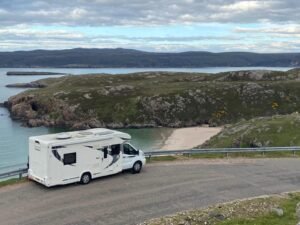
So, the open road has called, you’ve answered countless times, and your trusty campervan has been your loyal companion through sun-drenched Scottish Highlands and misty Lake District mornings. Perhaps you’re upgrading to a larger motorhome, downsizing, or life has simply taken a different turn. Whatever your reason for parting ways, the prospect of selling your campervan can feel a bit daunting. You’ve invested time, love, and hard-earned cash into your rolling home, and naturally, you want to ensure you get the absolute best price.
At Caledonian Tourers, based here in beautiful Perth, we’ve not only helped countless adventurers find their dream campervans, but we’ve also guided many through the selling process. We understand the nuances of the UK market, the emotional attachment, and the practicalities involved. Forget generic advice; this comprehensive guide delves deep, offering expert analysis, practical checklists, real-world examples, and insider knowledge to help you confidently sell campervan UK-wide, ensuring you maximise your return and find the perfect new owner for your beloved vehicle.
Understanding the UK Campervan Market: What’s Hot and What’s Not
Before you even think about pricing or advertising, it’s crucial to understand the current landscape. The UK campervan market is dynamic, influenced by seasons, fuel prices, economic trends, and, crucially, demand. Post-pandemic, the staycation boom saw an unprecedented surge in demand for leisure vehicles, which has since levelled somewhat but remains robust. This means now is still a fantastic time to sell your campervan, provided you know how to position it correctly.
- Conversion vs. Factory-Built: Broadly speaking, factory-built vans (e.g., VW California, Ford Transit Custom Trail, Mercedes Marco Polo) tend to hold their value incredibly well due to brand recognition, warranty, and professional conversion quality. Bespoke conversions, while often unique and charming, can be harder to price accurately. Quality of conversion, choice of materials, and professional certification (e.g., gas and electrical safety certificates) are paramount here. A poorly executed DIY conversion, no matter how lovingly done, will struggle to command a premium.
- Base Vehicle Popularity: The Volkswagen Transporter, especially the T5 and T6, remains the undisputed king of the compact campervan market. Its reliability, drivability, and strong aftermarket support make it highly desirable. Other popular base vehicles include the Ford Transit Custom, Vauxhall Vivaro/Renault Trafic, and for larger conversions, the Fiat Ducato/Peugeot Boxer/Citroen Relay.
- Layout and Features: Pop-top roofs are highly sought after, offering standing height and an extra sleeping area without compromising the van's profile. Diesel heaters, solar panels, compressor fridges, hot water boilers, and even portable composting toilets are all desirable features that can add value. A well-designed, functional layout with ample storage will always trump a cramped or impractical one.
- Seasonal Swings: Spring (March-May) and early summer (June-July) are typically the best times to sell, as buyers are looking to secure a vehicle for their upcoming holidays. Demand often dips in late autumn and winter, although serious buyers are always on the lookout. Pricing shrewdly during these quieter months can still yield a good sale.
Preparation is Key: Maximising Your Campervan's Appeal
Think like a buyer. What would impress you? Investing a little time and, if necessary, a small amount of money in preparation can significantly increase your selling price and speed up the sale. This is where you genuinely add value when you sell your campervan.
1. The Deep Clean: Inside and Out
This goes beyond a quick wipe-down. Spend a full day, or even two, on this:
- Exterior: Wash, wax, and polish thoroughly. Pay attention to wheel arches, underbody, and roof. Remove any old decals. Clean windows inside and out until they sparkle. Touch up paint chips if you’re confident. Nothing puts off a buyer more than a grubby exterior upon arrival.
- Interior:
- Carpets & Upholstery: Shampoo or steam clean all upholstery and carpets. Address any stains immediately.
- Surfaces: Clean all surfaces – kitchen worktops, cupboards, walls, ceiling. Pay attention to nooks and crannies.
- Appliances: Deep clean the hob, fridge, sink, and oven (if applicable). Ensure they look pristine and ready for use.
- Bathroom (if applicable): Scour the toilet and shower area. Ensure no mould or lingering odours.
- Windows & Vents: Clean window blinds/curtains and all ventilation grilles.
- Odour Removal: Air the van thoroughly. Consider an odour eliminator if there are any lingering smells (e.g., from cooking, wet dogs, or old carpets).
Insider Tip: Fresh flowers or a subtle air freshener (not overpowering) just before viewings can create a welcoming atmosphere.
2. Essential Maintenance and Minor Repairs
Buyers are looking for a reliable vehicle, not a project. Address these areas:
- Mechanical Check: Ensure the engine runs smoothly. Check fluid levels, tyre pressure, and lights. If the MOT is approaching, get it done. A fresh MOT instils confidence.
- Campervan Systems: Test everything. Does the fridge get cold? Does the hob ignite? Do all the lights work? Is the water pump functioning? Are the solar panels charging? Fixing a blown fuse or a loose connection now is far better than a buyer discovering it.
- Damp/Water Ingress: This is a major red flag for buyers. Check all seals, windows, and roof hatches for any signs of water ingress or damp. Address any issues professionally. If it’s a big problem, be honest and factor it into the price, or get it repaired if feasible.
- Minor Cosmetic Fixes: Tighten loose cupboard hinges, replace a broken catch, touch up scratched furniture, fix rattling doors. These small details contribute to a feeling of quality.
Real-world Example: We once had a beautiful custom VW T6 come in. The owner had spent weeks cleaning it, but a single flickering internal LED light immediately made a buyer hesitate. A 5-minute fix later, the sale went through smoothly. Don't underestimate the small stuff.
3. Gather Your Documents – The Paperwork Trail
A comprehensive service history and full documentation package is invaluable and can add hundreds, if not thousands, to your asking price. Buyers want peace of mind.
- V5C (Logbook): Ensure it's in your name and you have the physical document.
- MOT Certificate: Current and any past certificates.
- Service History: Full-service history for the base vehicle. Receipts for any major work.
- Conversion Documentation: If it's a professional conversion, share any build certificates, warranties on appliances, gas safety certificates (Gas Safe registered engineer), and electrical safety certificates (NICEIC or equivalent). If DIY, meticulous records of what was done and when, along with receipts for components, are very helpful.
- Owner's Manuals: For both the vehicle and all fitted appliances (fridge, heater, hob, pop-top, etc.).
- Receipts of Purchase: For major upgrades or modifications.
- Original Purchase Invoice: If you bought it new or from a dealer.
Organise these into a clear folder. It shows you’re a meticulous owner.
Pricing Your Campervan: Striking the Right Balance
This is arguably the trickiest part. Price too high, and you'll deter buyers; price too low, and you'll lose money. Our advice for anyone looking to sell your campervan is:
- Research, Research, Research:
- Online Marketplaces: Browse similar makes, models, ages, and mileage on sites like AutoTrader, eBay Motors, Gumtree, and dedicated campervan sales platforms. Look at private sales and dealer prices for comparison. For example, search for campervans for sale Edinburgh or Glasgow specific ads to gauge regional variations.
- Campervan Dealers: Look at what reputable dealers are selling similar vehicles for. Bear in mind dealers offer warranties, finance, and part-exchange, so their prices will typically be higher than a private sale.
- Specialist Forums/Groups: Online communities for specific base vehicles (e.g., VW T6 forums) or conversion types can be great sources for pricing guidance.
- Consider Your Van's Specifics:
- Age & Mileage: Standard depreciating factors.
- Condition: Be honest. Is it immaculate, good, fair, or poor?
- Base Vehicle Make & Model: VWs and Ford Transit Customs generally command higher prices.
- Conversion Type & Quality: Professional conversions with certification fetch more.
- Included Extras: Awning, solar, diesel heater, external BBQ point – list everything.
- Service History & MOT: A full, recent MOT and service history are strong selling points.
- Be Flexible, But Realistic: Leave a small amount of wiggle room in your asking price for negotiation, but don't overprice significantly hoping to be haggled down. It often just prevents initial enquiries. £500-£1000 buffer on a £20k van is usually sufficient.
- Get a Valuation: Services like Glass's Guide (often used by dealers) can give a trade-in value, which is usually lower than a private sale price but gives a baseline. Some specialist campervan dealers, like us, might offer a valuation service if you're considering selling to a trader.
Expert Analysis: Many private sellers make the mistake of pricing based purely on what they want to get, rather than what the market will genuinely bear. Use data, not emotion, to arrive at your initial figure. Remember, if you’re looking to browse campervans for sale yourself, you’ll be doing the same analysis!
Crafting an Irresistible Advert: Your Shop Window
Your advert is your first impression. Make it count.
1. Professional Photography is Non-Negotiable
This is paramount. Poor photos will guarantee your advert gets scrolled past. Follow these guidelines:
- Clean & Tidy: Ensure the van is spotless, inside and out. Remove all personal clutter.
- Lighting: Shoot on a bright, overcast day or during the 'golden hour' (early morning/late afternoon) for soft, desirable light. Avoid harsh direct sunlight which creates shadows.
- Angles:
- Exterior: Front 3/4, rear 3/4, full side shots (both sides), detail shots (wheels, pop-top, awning rail).
- Interior: Wide shots showing the layout (from the rear, from the front looking back), detail shots of kitchen, bed, storage, control panel, specific features (diesel heater thermostat, solar panel display).
- Engine Bay: A clean engine bay can be reassuring.
- Dash: Clear shot of the mileage.
- Quality: Use a decent camera or a modern smartphone camera. Take high-resolution images.
- Number: Aim for 20-30 high-quality photos. Show everything!
Real-world Example: We often see adverts with blurry, dark interior shots taken at night, or with clothes strewn across the bed. This is like leaving rotten fruit in a shop window. Don't do it!
2. The Compelling Description
Tell its story, but also be factual and comprehensive.
- Catchy Headline: Something that grabs attention, e.g., "Immaculate VW T6 Pop-Top Camper – Ready for Adventure!"
- Opening Hook: Briefly introduce the van and its main appeal.
- Detailed Specification:
- Base Vehicle: Make, model, year, engine size, fuel type, transmission, mileage, MOT expiry, number of previous owners.
- Conversion Details: Professional or DIY, number of berths/seats, pop-top (if applicable), all appliances (make and model if possible), leisure battery setup, solar, heating, water tanks, hook-up, storage solutions.
- Condition: Be honest but positive. "Excellent condition for its age," "minor age-related marks."
- Service History: "Full-service history, recent major service."
- Included Extras: Awning, hook-up cables, levelling ramps, gas bottle, etc.
- Why You're Selling: Briefly explain your reason. "Upgrading," "downsizing," "lack of use." Authenticity helps.
- Contact Information: How potential buyers can reach you.
- Price: Clearly state your asking price.
- Keywords: Naturally weave in terms like "campervan," "VW camper," "motorhome," "pop top," etc., to help with searchability. If you want to sell your campervan effectively, search engine optimisation matters even for private listings!
Expert Advice: Highlight your van's unique selling points. Did you install a bespoke sound system? Is it a rare colour? Has it been upgraded with specific off-grid capabilities? These unique details can justify a higher price.
Where to Advertise in the UK
Diversify your channels to reach the widest audience.
- Dedicated Motorhome & Campervan Sites: AutoTrader, Campervan Finder, Caravan Finder, Movera. These attract serious buyers.
- General Classified Sites: eBay Motors (for auctions or classifieds), Gumtree. These often have lower listing fees but can attract more time-wasters.
- Social Media: Facebook Marketplace and specific Facebook groups for campervans (e.g., VW T6/T5 owners groups, DIY campervan groups). High reach, often free, and can target passionate enthusiasts.
- Forums: Specialist forums for your base vehicle can be excellent places to find knowledgeable buyers.
- Consignment Sale through a Dealer: If you're based near us here in Perth, or anywhere in the UK, consider working with a reputable dealer who offers a consignment service. They manage the sale process, advertising, viewings, and paperwork for a fee or commission. This is a hassle-free option, especially if you're busy or dislike selling. We, for example, offer a comprehensive dealer/trader package to make this process seamless.
Dealing with Enquiries and Viewings
This is where your preparation pays off.
- Be Responsive: Answer enquiries promptly and politely. Be prepared to answer questions about service history, conversion details, and any quirks.
- Be Honest: Disclose any known faults or issues upfront. It builds trust and avoids wasted journeys for both parties.
- Secure Viewings: For security, avoid giving out your home address initially. Meet in a public place or have someone with you during viewings.
- Prepare for Viewings:
- Cleanliness: Double-check the van is spotless.
- Documents: Have your folder of documents ready to show.
- Demonstrate Everything: Be ready to show all appliances working, the pop-top opening, the bed converting, and lights functioning.
- Test Drive: Accompany the buyer on any test drive. Check their insurance beforehand if you're allowing them to drive. Many choose to drive themselves with the buyer as a passenger.
- Negotiation: Be prepared to negotiate. Stick to your researched price, but be willing to compromise slightly. Don't be pressured into a sale you're not comfortable with.
Insider Tip: If a buyer is travelling a long distance (e.g., from down south to view a Perth campervan for sale), offer to do a video call walkthrough beforehand. This saves time for everyone and shows you're serious.
Processing the Sale: The Legal & Financial Side
Don't stumble at the finish line.
- Payment:
- Bank Transfer (BACS/Faster Payments): The safest method. Ensure the funds have cleared and are in your account before handing over the keys. Be wary of large sums paid via PayPal or cheques, which can be reversed.
- Cash: Only accept cash during banking hours so you can deposit it immediately and check for forgeries.
- Receipt: Always provide a detailed receipt stating:
- Date of sale
- Your details (seller)
- Buyer's details
- Vehicle make, model, registration, VIN
- Agreed sale price
- A declaration stating "Sold as Seen" (this is crucial for private sales to limit your liability once the vehicle leaves your possession).
- Signatures of both buyer and seller.
- V5C (Logbook):
- Complete section 6 (new keeper details) and sign it.
- Tear off and give the green 'New Keeper Slip' (V5C/2) to the buyer.
- Send the rest of the V5C to the DVLA immediately. You can also do this online for instant processing.
- Insurance: Cancel your insurance once the sale is complete and the vehicle is no longer in your possession.
Expert Analysis: For private sales, the "Sold As Seen" disclaimer is vital. While a seller must accurately describe the vehicle (not misrepresent it), this clause protects you from future mechanical failures once the buyer drives away. Always stipulate this clearly in your receipt.
Thinking Beyond the Sale: What's Next?
Once you’ve successfully sold your campervan, perhaps you’re already eyeing up your next adventure. Whether you're looking for an upgrade, a downsize, or simply planning your next touring holiday, Caledonian Tourers is here to help. Get in touch with our friendly team if you’re looking to browse campervans for sale or even if you’re just seeking advice on your next journey. We’ve written extensively on making the most of your trips, whether it’s a motorhome guide for Edinburgh or a detailed look at campervan hire in Edinburgh.
Selling your campervan doesn't have to be a chore. With meticulous preparation, honest communication, and a strategic approach, you can achieve the best possible price and ensure your beloved vehicle finds a happy new home. May your road ahead be as smooth as the journeys you’ve enjoyed in your campervan!
```Caledonian Tourers — luxury motorhome & campervan hire in Scotland & England, plus the UK's largest campervans-for-sale marketplace (900+ cities) and a curated roof tents UK shop. Family-run from Perth since 2019. Email enquiries: [email protected].