Motorhome vs Campervan: Which Should You Buy?
Motorhome or campervan? Expert comparison of costs, space, driving, fuel and lifestyle. Make the right choice with Caledonian Tourers.
```htmlMotorhome vs Campervan: The Great Scottish Road Trip Showdown
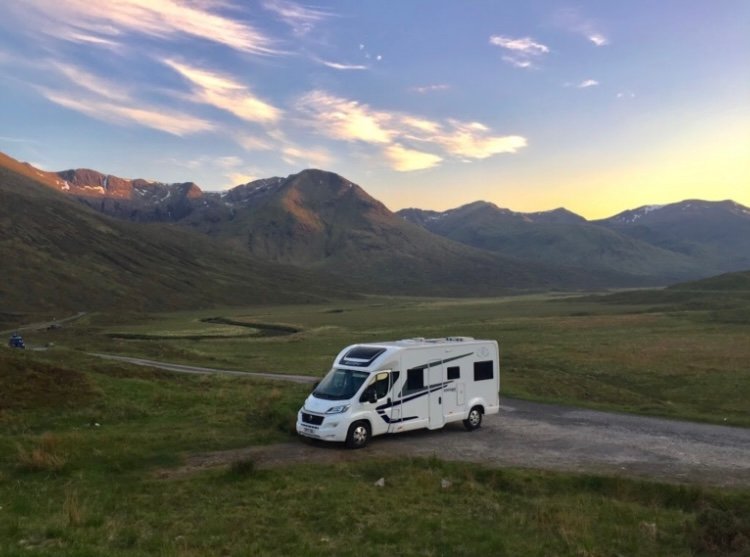
Ah, the age-old dilemma that sparks countless debates around campfires and coffee mornings across the UK: motorhome vs campervan. Here at Caledonian Tourers, nestled in the heart of beautiful Perth, we've seen it all. From seasoned adventurers trading up to first-time buyers dipping their toes into the touring lifestyle, the question of which leisure vehicle reigns supreme is a deeply personal one. But fear not, intrepid explorers, for we’re here to unravel the complexities, shed light on the nuances, and help you navigate this exciting decision with the expertise only a family-run Scottish business can offer.
This isn't just a breakdown of size and amenities; it's a deep dive into lifestyles, budgets, and the very essence of what you hope to gain from life on the open road. Because whether you dream of scaling the NC500 in a nimble pop-top or parking up by the shores of Loch Lomond in a luxurious coachbuilt, understanding the fundamental differences between a motorhome vs campervan is your first step towards countless unforgettable adventures.
Understanding the Fundamentals: Motorhome vs Campervan – A Definitive Guide
Let's start with the basics, as often the terms are used interchangeably, leading to confusion. While both are self-contained vehicles designed for living, their core philosophies, and thus their practical applications, differ significantly.
What is a Campervan? The Nimble Nomad
Think agility, discreetness, and a closer connection to the driving experience. A campervan is typically built on a smaller van chassis (like a VW Transporter, Ford Transit Custom, or a smaller Fiat Ducato/Peugeot Boxer). They are generally more compact, easier to drive, and often feel more like a large car than a dedicated living space. Key characteristics include:
- Size: Generally shorter (under 6m) and narrower than most motorhomes. This makes them excellent for navigating narrow country lanes, parking in regular car park bays (though do check length restrictions!), and generally being less obtrusive. Imagine finding that perfect secluded spot overlooking the Minch on Harris – a campervan will get you there.
- Layout: Space is at a premium. clever design is key. Pop-top roofs are common, providing standing height when parked and reducing overall height for travel. Fixed beds are less common; instead, seating areas convert into beds. Kitchens are often compact, featuring a two-burner hob, sink, and perhaps a small compressor fridge. Wet rooms (combined toilet/shower) are rare in smaller models, though cassette toilets and external showers are typical.
- Driving Experience: Closer to driving a large car. Better fuel economy than most motorhomes. Easier to manoeuvre and park, particularly beneficial in towns like Oban or St Andrews where parking can be a challenge.
- Stealth Camping Potential: Their less conspicuous appearance makes them excellent for wild camping (where permitted and done responsibly) or staying in Aires across Europe without drawing too much attention.
- Cost: Generally, lower purchase price compared to a motorhome, with lower running costs (fuel, insurance, ferry fares).
Example: A classic VW California Ocean, starting around £60,000-£80,000 new, or a well-converted Ford Transit Custom by specialists like Wellhouse or Hillside Leisure from £40,000 upwards. These are fantastic for a couple or a young family looking for versatility.
What is a Motorhome? The Spacious Sanctuary
Now, let's talk about the motorhome – your home away from home. These are built on larger chassis (often Fiat Ducato, Ford Transit, Mercedes Sprinter), creating a much more dedicated living space. They prioritise comfort, amenities, and often, the ability to 'live' in the vehicle for longer periods. You'll typically find:
- Size: Ranging from medium (6-7m, often called 'low profile' or 'coachbuilt') to very large (7m+, 'A-class'). This increased length and width translates to significantly more internal space.
- Layout: Diverse layouts are available. Fixed beds (island, French, twin singles), spacious washrooms with separate showers, larger kitchens with ovens/grills, and generous lounge areas are common. Some even feature garage spaces for bikes or sporting equipment.
- Driving Experience: Closer to driving a small lorry or a large van. Requires more consideration for height, width, and weight. Fuel economy is generally lower than a campervan. Parking can be more challenging, often requiring dedicated motorhome bays at campsites or larger car parks.
- Amenities: Designed for longer stays with greater self-sufficiency. Larger fresh and waste water tanks, more ample storage, and often home-like comforts such as proper dining areas, wardrobes, and even separate sleeping zones.
- Cost: Typically higher purchase price, starting from £50,000 for a pre-owned decent coachbuilt up to £100,000+ for new A-class models. Running costs are also proportionally higher.
Example: A popular low-profile model like the Swift Escape or Benimar Mileo, which offers a great balance of space and drivability, usually in the £55,000-£70,000 range for a good used example. Or perhaps a more luxurious A-class from manufacturers like Hymer or Carthago for those seeking ultimate comfort.
The Real-World Decision: Motorhome vs Campervan - Your Lifestyle, Your Choice
Choosing between a motorhome vs campervan isn't about one being inherently 'better'; it's about which aligns best with your specific needs, travel style, and budget. Let's delve into some practical considerations.
1. Your Travel Style: Where and How Do You Plan to Explore?
- Nimble Explorers (Campervan): If your ideal trip involves spontaneous detours down single-track roads in the Highlands, parking up in quaint village squares (like Ullapool or Plockton), or regularly moving between multiple locations in a day, the campervan's agility is a huge advantage. They are perfect for island hopping via CalMac ferries (where vehicle length affects cost!) or navigating the scenic, often narrow, routes of the Cairngorms National Park. You value the journey as much as the destination.
- Comfort Seekers & Base Campers (Motorhome): If you envision longer stays at campsites, parking up for a week at Blair Castle Caravan Park or visiting Inverness and using your leisure vehicle as a comfortable base for day trips, a motorhome offers superior living space and amenities. You appreciate the ability to spread out, cook elaborate meals, and enjoy a separate sleeping area without converting seating every night. Longer trips around the UK, perhaps down to Cornwall or across to France, become much more comfortable.
2. Who Are You Travelling With?
- Couples or Solo Adventurers (Campervan): A campervan is often ideal for one or two people, offering enough space without feeling excessive. Smaller families (with young children who don't mind shared sleeping arrangements) can also make them work, especially with an awning for extra space.
- Families & Groups (Motorhome): If you're a family of four or more, or travelling with friends, a motorhome generally provides the space, separate sleeping areas, and washroom facilities needed for harmonious co-habitation. The ability to shower properly onboard without needing campsite facilities is a huge plus, especially with children.
3. Your Budget: Purchase, Running Costs, and Insurance
This is often the most significant factor. When considering a motorhome vs campervan, look beyond the initial purchase price.
- Purchase Price: A new entry-level campervan might start around £45,000-£55,000 for a basic conversion, while a decent second-hand coachbuilt motorhome could be found in a similar range. New motorhomes quickly breach the £70,000 mark and beyond. You can browse campervans for sale right here on our site, including options suitable for various budgets near Glasgow or even Edinburgh.
- Fuel Economy: Campervans (especially smaller models) will generally offer better MPG. Expect 30-40 MPG for a good campervan, whereas a larger motorhome might be in the 20-30 MPG range. Over thousands of miles, this adds up significantly.
- Insurance: Campervan insurance can sometimes be cheaper due to smaller size and potentially lower value, but this varies wildly depending on the vehicle, modifications, and your driving history.
- Maintenance: Smaller engines and simpler systems often mean lower maintenance costs for campervans, though age and mileage are always critical factors.
- Ferry Costs: Crucially for Scottish adventures, ferry prices are often based on vehicle length. A 6m motorhome will be significantly more expensive than a 5m campervan on routes to the Outer Hebrides or Orkney. This is a vital consideration for island-hopping enthusiasts.
- Campsite Fees: Generally, campsite fees are similar for both, but some premium pitches may charge more for larger vehicles.
4. Your Driving Comfort and Confidence
Be honest with yourself here. Are you comfortable driving a larger vehicle? A motorhome feels very different to a car. We often recommend first-time buyers try a short-term hire to get a feel for the different classes. You could read our Campervan Hire Edinburgh Guide for inspiration on trying before buying, or check out our Motorhome Guide Glasgow to familiarise yourself with the routes and considerations.
The Interior Experience: Where Do You Spend Your Time?
Cooking and Dining
- Campervan: Expect compact, functional galley kitchens. Two-burner hobs, a small sink, and a compressor fridge are standard. Meal prep space is limited. Dinners are often simple one-pot affairs, or you'll rely on BBQing outside.
- Motorhome: Larger kitchens can include ovens, grills, microwaves, and larger fridges with freezers. Dedicated dining areas (dinettes) are common, allowing for more elaborate meals and comfortable indoor dining, important on those rainy Scottish days!
Sleeping Arrangements
- Campervan: Most common is a rock-and-roll bed where the rear seats fold flat. Pop-top roofs can offer an additional roof bed, often suitable for children or lighter adults. Daily conversion of the bed from seating is typical.
- Motorhome: A huge advantage is often a fixed bed (or beds) that don't need converting. This means you can arrive, unpack, and relax immediately. Overcab beds, drop-down beds and twin single beds all provide diverse options.
Washroom Facilities
- Campervan: Often features a porta-potti or a compact cassette toilet. Showers are rare internally, or an external shower attachment is provided. You'll rely more on campsite facilities.
- Motorhome: Most motorhomes feature a dedicated washroom with a cassette toilet, basin, and often a separate shower cubicle. This offers much greater independence and comfort, especially in remote locations or during colder months when outdoor showers aren't appealing!
Storage
- Campervan: Storage is surprisingly ingenious but finite. Think overhead lockers, under-seat compartments, and perhaps a small wardrobe if space allows. Packing light is key.
- Motorhome: Often boasts generous storage, including large wardrobes, numerous lockers, and sometimes a 'garage' space accessible from outside, ideal for bikes, tables, chairs, and other bulky gear.
The Caledonian Tourers Perspective: Buying and Selling
When you've weighed up the pros and cons of a motorhome vs campervan and decided on your preferred chariot, the next step is acquiring it – or perhaps selling your current one to fund the upgrade.
Buying Your Dream Vehicle
Whether you're looking for new or used, consider these points:
- Visit Our Showroom in Perth: There's no substitute for seeing, touching, and stepping inside these vehicles. Our friendly team can walk you through various layouts and models, helping you compare a motorhome vs campervan side-by-side.
- Do Your Research: Read reviews, watch video tours, and identify manufacturers known for quality and reliability.
- Inspect Thoroughly: For used vehicles, check for damp, signs of wear and tear, and ensure all appliances are in working order. A professional pre-purchase inspection is always a good idea.
- Consider After-Sales Support: Buying from a reputable dealer like Caledonian Tourers means you'll have peace of mind with warranties and access to expert servicing and parts.
- Test Drive: Always take it for a spin! Get a feel for the size and handling.
We pride ourselves on offering a diverse range. You can browse campervans for sale from our selection at your leisure, and we even have specific pages for popular locations like Perth where you can start your search.
Selling Your Current Vehicle
Perhaps you're upgrading from a campervan to a motorhome, or vice-versa. We offer a straightforward and fair process.
- Valuation: Get a realistic valuation. We offer competitive prices based on market trends and vehicle condition. Visit our sell your campervan page for more information.
- Preparation: A clean, well-maintained vehicle will always fetch a better price. Address any minor repairs.
- Documentation: Have all service history, MOT certificates, and manuals ready.
- Trade-Ins: We often facilitate trade-ins, making the transition to your new vehicle seamless.
We also work with dealers and traders, and you can learn more about our dealer/trader packages if you're in the industry yourself.
Final Thoughts: Your Journey Begins Here
Ultimately, the choice between a motorhome vs campervan isn't just about specification sheets; it's about imagining your ideal adventure. Do you crave the freedom and go-anywhere spirit of a nimble campervan, allowing you to wake up to a different stunning view every morning, perhaps after a clandestine wild camp near Glencoe? Or do you dream of the spacious comfort and home-like amenities of a motorhome, allowing you to relax in luxury at a full-service campsite on the edge of Loch Ness?
Both options open up a world of discovery, from the dramatic landscapes of Skye to the historic charm of Edinburgh. No matter which you choose, the open road awaits. We encourage you to get in touch with us at Caledonian Tourers. Our team, passionate about all things motorhome and campervan, is here to answer your questions, share our experiences, and help you find the perfect vehicle for your Scottish – or indeed, British – adventures.
Embrace the freedom, embrace the adventure, and let your journey begin with the right leisure vehicle by your side!
```Caledonian Tourers — luxury motorhome & campervan hire in Scotland & England, plus the UK's largest campervans-for-sale marketplace (900+ cities) and a curated roof tents UK shop. Family-run from Perth since 2019. Email enquiries: [email protected].