10 Mistakes First-Time Campervan Buyers Make (And How to Avoid Them)
Avoid costly mistakes when buying your first campervan. Expert guide to inspections, budgeting and choosing the right van. Caledonian Tourers.
10 Mistakes First-Time Campervan Buyers Make (And How to Avoid Them)
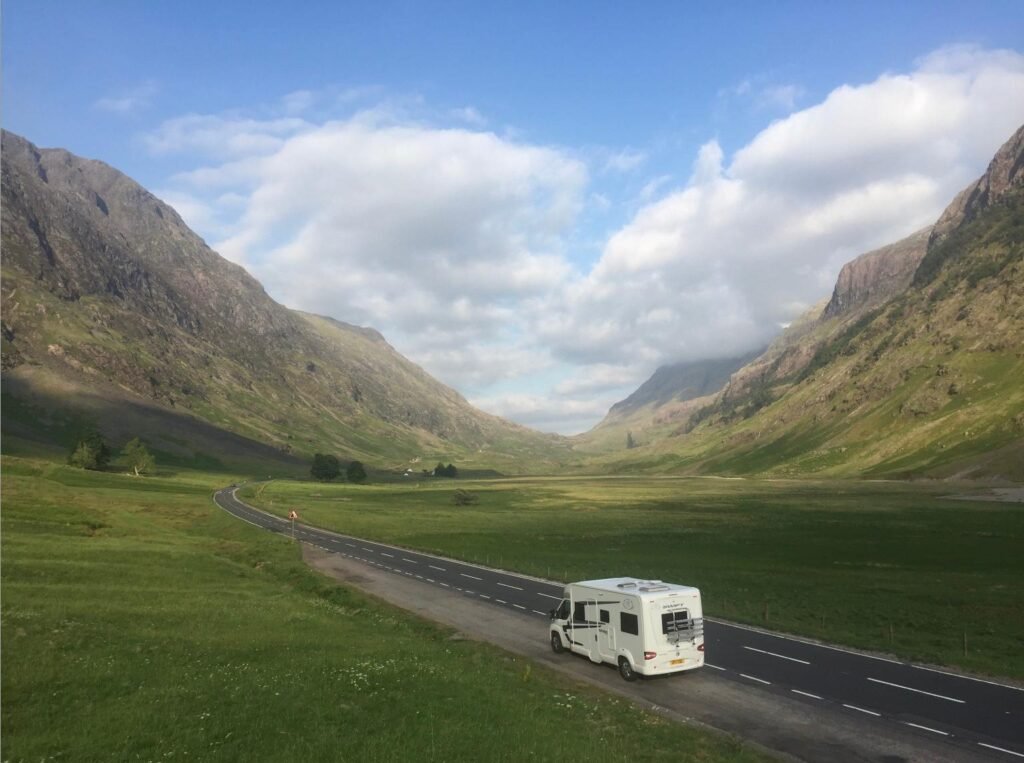
So, the open road calls. The thought of waking up to fresh Scottish air, a cuppa in hand, overlooking a shimmering loch, has finally swayed you. You're ready to dive into the wonderful world of campervan ownership. Here at Caledonian Tourers, based right here in bonnie Perth, we've helped countless adventurers find their perfect mobile haven. And over the years, we've seen the sheer joy of a well-matched campervan for sale alongside the occasional stumble. The journey of buying first campervan can be exhilarating, but like navigating a winding Highland pass, it pays to be prepared. This isn't your average 'top tips' list; we're delving deep into the ten most common, and often costly, mistakes first-time buyers make, offering genuine insider advice to ensure your maiden voyage into ownership is as smooth as a dram of single malt.
Mistake 1: Falling for the 'Pretty Face' – Neglecting the Base Vehicle's Bones
It’s easy to be enchanted by a shiny pop-top, a bespoke interior, or a vibrant paint job. But beneath all that cosmetic charm lies the beating heart – the base vehicle. This is arguably the most critical aspect when buying first campervan. We often see buyers neglect the mechanics, focusing purely on the living space. A stunning conversion built on a rusty, mechanically unsound van is a recipe for heartbreak and hefty repair bills.
- Expert Analysis: Don't be afraid to get dirty. Check under the bonnet for obvious leaks, frayed belts, or suspicious wiring. Look for rust, especially around wheel arches, sills, and the chassis. A full-service history is non-negotiable. For older models, specifically ask about cam belt changes (typically every 50k-70k miles or 5-7 years, costing £400-£800). Clutch life is another key indicator – a high biting point often signals wear.
- Specific Makes/Models: VW Transporters (T5/T6) are iconic for a reason, but be aware of common DPF (Diesel Particulate Filter) issues if it's primarily used for short trips. Ford Transits are robust but check for rust around the door seams. Fiat Ducatos, often used for larger conversions, are generally reliable, but ensure the gear selection feels smooth.
- Real-World Example: We once had a customer who bought a beautifully converted VW T4 from a private seller online. It looked immaculate. A month later, the engine seized due to neglect – no service history, an oil leak ignored. The repair bill was over £2,500, practically wiping out any savings they thought they’d made. Always get a pre-purchase inspection from an independent mechanic, even if it costs £150-£250; it's an investment, not an expense.
Mistake 2: Underestimating Payload & Overloading your Dream
You’ve seen those Instagram-perfect vans, laden with bikes, paddleboards, awnings, and enough gear for a small expedition. But have you considered the payload? This is the maximum weight your campervan can safely carry, including passengers, water, fuel, luggage, and all your conversion components. Exceeding your payload isn't just illegal; it's dangerous, affecting braking, handling, and tyre wear.
- Expert Analysis: The gross vehicle weight (GVW) is fixed, and subtracting the 'unladen weight' (kerb weight) gives you your payload. For a typical short-wheelbase (SWB) VW T5/T6 conversion, this might be around 400-550kg. Consider two adults, full water tank (80 litres = 80kg), gas bottle (10-15kg), and luggage, and you'll quickly see how easily it adds up. If you're buying first campervan and plan to carry lots of gear, a larger base such as a LWB (long wheel base) Transporter, or even a medium-wheelbase Transit Custom, could be a better fit.
- Practical Checklist:
- Check the chassis plate for the GVW.
- Ask the seller for the certified unladen weight (or factor in conversion weight if buying a DIY).
- Estimate the weight of all your planned gear, water, fuel, and occupants.
- Do the sums: GVW - Unladen Weight = Payload. Ensure your estimated gear fits within this.
- Actionable Advice: If buying from a professional converter, they should provide you with certified weights. For private sales, be more cautious. Overloading not only risks fines but can also invalidate your insurance. If you need a larger carrying capacity, consider whether a larger panel van like a Fiat Ducato LWB or even a smaller coach-built motorhome might be more suitable, especially if you plan extended trips around the NC500 or through the Cairngorms with all the outdoor kit.
Mistake 3: Neglecting the Legalities and Paperwork – The V5C Blunder
More than just a pretty vehicle, a campervan is a legal classification. Many DIY conversions or even some older professional ones might still be registered as 'Panel Van' or 'Light Goods Vehicle' on the V5C (logbook). This can have significant implications for insurance, speed limits, and even MOTs.
- Expert Analysis: For insurance purposes, being registered as a 'motor caravan' (the official DVLA term) is crucial. Insurance for a panel van is often higher and may not cover the conversion or personal effects. Speed limits also differ: panel vans are restricted to 50mph on single carriageways and 60mph on dual carriageways, whereas motor caravans (under 3.05 tonnes unladen) can follow car speed limits. An MOT for a panel van might also be more stringent on commercial vehicle aspects.
- Genuine Insider Knowledge: The DVLA has specific criteria for reclassifying a vehicle as a 'motor caravan,' including permanent fixtures like a bed, seating with a table, cooking facilities, storage, and at least two functional windows. If your potential purchase is still registered as a panel van, factor in the time and effort (and potential cost of modifications if it doesn’t meet criteria) to get it reclassified. A vehicle recently sold by us, a fantastic VW T6 campervan for sale in Perth, recently passed its reclassification with flying colours, illustrating the importance of proper conversion for legal compliance.
- Actionable Advice: Always check the 'body type' on the V5C. If it’s not 'Motor Caravan,' ask why. If it’s a private sale and they claim it can be reclassified, understand the process yourself before committing. The DVLA website has all the guidance you need.
Mistake 4: Skimping on Essential Systems – The Hidden Costs of Poor Electrics & Gas
A campervan lives or dies by its utilities. The 12V and 240V electrical systems, and any gas installations, are critical for comfort and safety. Cutting corners here is not just inconvenient; it can be downright dangerous.
- Expert Analysis:
- Electrics: Look for professional wiring – neat, labelled, fused circuits. Cheap Chinese diesel heaters, often wired poorly, are a fire risk. Batteries are key: a leisure battery in good condition is vital. Ask about its age and type (AGM, Gel, LiFePO4). A good LiFePO4 battery can cost upwards of £500-£1000 but offers superior performance and lifespan. Check for a B2B (battery-to-battery) charger for efficient charging while driving and a 240V hook-up with RCD/MCB protection.
- Gas: Any gas installation (hob, heater) must be safe. Look for a gas safe certificate, especially if a professional installed it. Check the condition of the gas locker (sealed, vented), flexible hoses, and gas drop-out vents. A CO (carbon monoxide) alarm and smoke alarm are non-negotiable.
- Specific Costs: Replacing a substandard wiring loom could cost £800-£1500. A new, quality leisure battery and B2B charger setup could be £600-£1200. A professional gas safety check is around £80-£150.
- Actionable Advice: Don't assume. Test everything. Turn on the lights, fridge, water pump, and any 240V appliances if hooked up. Light the hob. Are there any strange smells (gas)? Are circuits tripping? If in doubt, budget for a qualified auto electrician or Gas Safe engineer to inspect these systems before you seal the deal when buying first campervan.
Mistake 5: Ignoring the Insulation and Ventilation – The UK Weather Reality Check
Scotland, in particular, is a land of four seasons in one day. Good insulation and ventilation are the difference between a cosy retreat and a damp, miserable box on wheels. This is often overlooked in budget conversions.
- Expert Analysis: Effective insulation (sheep's wool, Celotex, multi-foil) is key to retaining heat in winter and keeping cool in summer. Equally important is ventilation to prevent condensation, which can lead to damp, mould, and eventually rust. A quality roof vent (like a Maxxair fan) and good window ventilation are essential. Don't underestimate the impact of cold bridging – areas where insulation is poor and heat can escape, leading to damp spots.
- Real-World Example: We've seen lovely conversions where the owner saved £300 on insulation, only to spend £500 on dehumidifiers and internal rust treatment a year later. Waking up to condensation dripping onto your head near Glencoe in November isn't an experience we'd wish on anyone!
- Practical Checklist:
- Check for evidence of damp or mould around windows, ceiling, and wall panels.
- Feel the internal wall panels on a cold day – are they icy cold in places?
- Ask about the type and thickness of insulation used.
- Ensure there's at least one quality roof vent, ideally with an extraction fan function.
Mistake 6: Forgetting About Storage Solutions – Where Will it All Go?
Campervan life is about minimalism, but you still need somewhere to put your clothes, food, and outdoor gear. Many first-time buyers are so focused on the bed and galley that storage becomes an afterthought, leading to an incredibly cluttered and frustrating living space.
- Expert Analysis: Smart storage is paramount. Look for overhead lockers, under-seat storage, and a 'garage' area under the bed (especially in larger panel vans). Drawers are generally more practical than deep cupboards for easy access. Consider dedicated spaces for dirty boots, wet gear, and a small bin.
- Actionable Advice: When viewing a campervan, imagine your typical kit. Where will the hiking boots go? The rucksack? The pans? The food? If you plan to carry bikes, is there an internal space, or will you need a secure external rack? A good conversation with our team when you get in touch or sell your campervan can help you understand the perfect layout for your needs. We always encourage prospective buyers to spend time in the van, opening every cupboard and drawer.
- Genuine Insider Knowledge: For larger families or those planning long trips, a wardrobe (even a small one) and a dedicated 'garage' area accessible from the rear are incredibly valuable. It prevents the frustration of moving ten items to get to one.
Mistake 7: Ignoring Your Actual Travel Style – Are You a Campsite King or a Wild Camping Wanderer?
Your ideal campervan setup depends entirely on how you envision using it. A weekend warrior who stays at serviced campsites has very different needs from a dedicated wild camper. Many first-timers buy a van that simply doesn't align with their true travel aspirations.
- Expert Analysis:
- Campsite Lover: You might prioritise 240V hook-up points, a larger fridge, and potentially a built-in toilet/shower if you value comfort and don't mind paying for pitches. Waste water tanks are less critical as you'll have easy disposal.
- Wild Camper: Off-grid capability is key. You'll need substantial leisure battery capacity, solar panels for charging, a decent fresh and waste water tank setup (typically 60-80 litres each), and perhaps compostable toilet options. Compact kitchens with efficient hobs are favoured. Our blog on campervan hire in Edinburgh discusses different setups for various travel styles.
- Specific Costs: A decent 200W solar panel system with controller and fitting can add £500-£1000. A portable composting toilet might be £200-£500. Bigger water tanks often mean sacrificing storage elsewhere.
- Actionable Advice: Before looking at specific vans to browse campervans for sale in Edinburgh, sit down and genuinely list your top five campervan priorities. Be honest with yourself about your budget for campsites (e.g., £25-£40 per night for a serviced pitch in peak season at a popular spot like Sands Caravan & Camping Park in Gairloch) versus the initial outlay for off-grid modifications.
Mistake 8: Forgetting the Awning – Your Essential Outdoor Room
This is less of a mistake and more of an oversight, but it's a game-changer. An awning dramatically extends your living space, providing shelter from the Scottish rain (or sun!) and a place to take off muddy boots before entering the van.
- Expert Analysis: There are several types: Fiamma/Dometic wind-out awnings (permanent fixture, quick to deploy, £600-£1500), drive-away awnings (separate tent-like structure that attaches to your van, allowing you to drive away, £300-£800), and simple sail awnings (cheapest, least protection, £50-£150).
- Real-World Example: Imagine you're pitched by Loch Lomond. It's drizzling. Without an awning, you're confined to your compact van. With a drive-away awning, you have an extra living room, a space for the kids to play, or somewhere to cook away from the sleeping area. It transform your trip.
- Actionable Advice: Budget for an awning. For versatility, a good drive-away awning attached to an existing rail (or one you get fitted) is often the best choice for first-time buyers for when you're buying first campervan. We can advise on suitable options through our dealer/trader packages or when you visit our showroom.
Mistake 9: Overlooking Insurance, Breakdown & Recovery Costs
The upfront cost of the campervan is one thing, but the ongoing expenses are another. Many first-timers budget meticulously for the purchase but forget these critical safety nets.
- Expert Analysis:
- Insurance: Campervan insurance can vary wildly. Factors include the base vehicle, conversion quality, security features, your postcode, driving history, and stated mileage. Expect quotes from £300-£800+ annually for a fully converted van. Always get quotes before buying to avoid nasty surprises.
- Breakdown & Recovery: Standard car breakdown cover often won't cover a converted campervan. You need specialist recovery that can deal with larger vehicles, potentially with a 'home start' option. Providers like the AA, RAC, or specialist firms offer this. Costs can be £100-£250 annually.
- Genuine Insider Knowledge: Some insurers require specific security features (immobiliser, alarm, tracker) for certain values or models. Tell them everything about the conversion – undisclosed modifications can invalidate your policy. If you're planning trips to Europe, ensure your breakdown cover extends there. Our guide motorhome guide Glasgow covers some of the logistical considerations for travel around and beyond Scotland.
- Actionable Advice: Get estimated insurance quotes using the vehicle registration number before you commit. Research specialist breakdown providers. These are non-negotiable costs for peace of mind.
Mistake 10: Rushing the Purchase – Impulsive Decisions Lead to Regret
The biggest mistake of all when buying first campervan is impatience. The excitement can be overwhelming, leading to hasty decisions. A campervan is a significant investment, both financially and emotionally.
- Expert Analysis: Take your time. View multiple vehicles, even if they're not exactly what you want, to get a feel for different layouts, sizes, and conversion qualities. Pay attention to how you feel inside the van – is it comfortable? Is there enough headroom? Can you imagine spending a week in it?
- Real-World Example: We've seen buyers travel for hours, feel pressured by the seller, and buy a van that's just 'okay,' only to return months later expressing regret. One couple loved the aesthetic of a classic T2 Bay window but quickly realised its lack of modern amenities and slower speed wasn't right for their desire to tour extensively through France.
- Actionable Advice:
- Set a Realistic Budget: Factor in the purchase price, insurance, taxes (£295/year for most campervans), servicing, and a contingency fund for unforeseen repairs.
- Test Drive Thoroughly: Don't just noodle around the block. Get it on a main road, up to speed, listen for noises, feel the brakes.
- Ask Questions (Lots of Them!): A good seller will welcome your questions. If they're evasive, that's a red flag.
- Don't Be Afraid to Walk Away: There will always be another campervan. Don't feel pressured into a sale.
- Consider buying a campervan from a reputable dealer like us! We offer warranties, thorough checks, comprehensive handover, and ongoing support, significantly reducing the risks associated with private sales.
Conclusion: Your Scottish Adventure Awaits!
Buying first campervan is a truly transformative experience, opening up a world of freedom and adventure, from the wild beauty of the Isle of Skye to the tranquil shores of East Lothian. By understanding and avoiding these common pitfalls, you'll be well on your way to selecting a reliable, comfortable, and perfectly suited campervan for countless memorable journeys. We hope this expert guide has armed you with the knowledge and confidence to make an informed decision and embark on your campervan dreams. If you're ready to start your search, why not browse our fantastic range of campervans for sale at Caledonian Tourers in Perth? We're always here to help guide you through the process, ensuring your first foray into campervan ownership is a resounding success.
Caledonian Tourers — luxury motorhome & campervan hire in Scotland & England, plus the UK's largest campervans-for-sale marketplace (900+ cities) and a curated roof tents UK shop. Family-run from Perth since 2019. Email enquiries: [email protected].